Fastener technical liaison services for OEMs and Tier-1 suppliers: from drawing review and failure risk prevention to import substitution and volume delivery, translating design intent accurately into process solutions that can be mass produced reliably.
We sit between design and manufacturing: understanding drawing requirements and operating conditions upstream, connecting to cold forming processes and capacity resources downstream, unifying the technical language of both sides into one set of executable parameters.
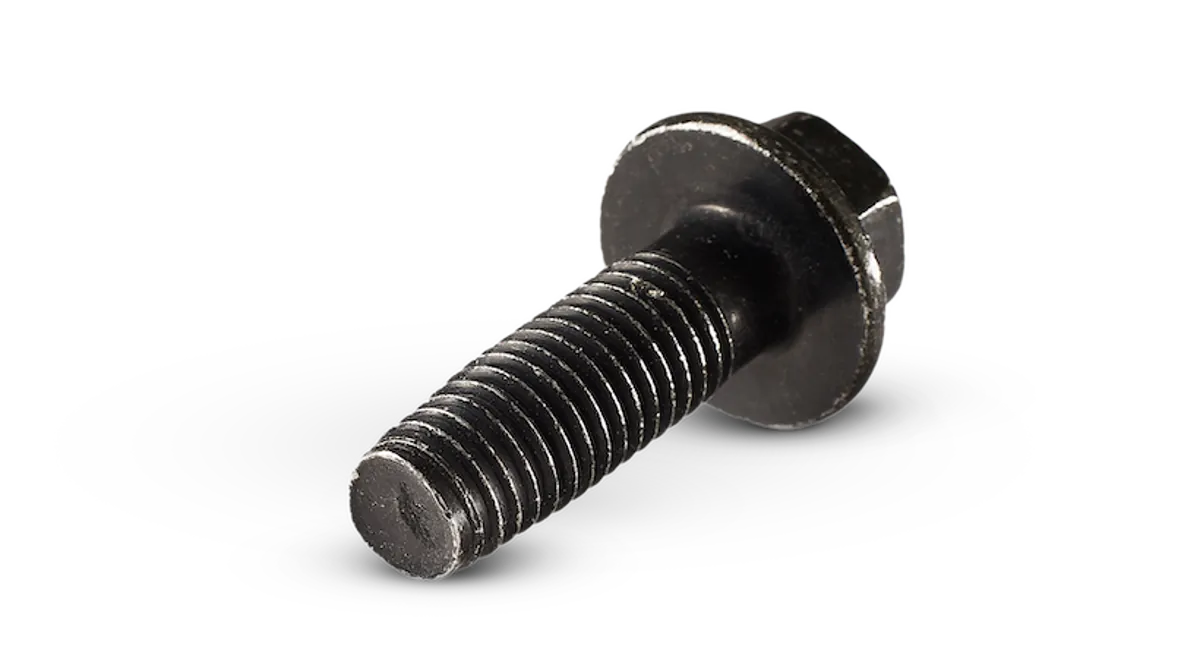
Most fastener quality issues originate from selection and structural decisions at the design stage. We move engineering judgement forward to the drawing review stage to control mass production risk at the source.
Check the drawing item by item: whether dimensions and tolerances exceed process capability, whether the head shape can be cold formed, whether thread type and pilot hole match, whether material and property class are over-specified, and whether surface treatment is compatible with the material.
For typical failure modes such as loosening, fatigue fracture, hydrogen embrittlement delayed fracture, thread stripping and coating flaking, we locate root causes from both assembly conditions and the process chain, supported by a database of 571 failure cases.
Benchmarked against imported fasteners, we assess manufacturability and performance equivalence, and deliver substitution comparison and validation paths to improve cost and lead time while maintaining performance and reducing single-source risk.
Assess drawings across three dimensions — manufacturability, process feasibility and cost reasonableness — and issue written review comments.
Organise sample trial production and dimensional, mechanical property validation, supporting the customer-side sample approval process.
Support preparation of documents and records required for PPAP and other approvals, submitted in the format required by the customer.
For imported parts or single-source parts, provide manufacturable, verifiable substitution options and validation paths.
Determine the failure mechanism from operating conditions and failure symptoms, and advise on process and assembly improvements.
Organise scheduling and delivery by project milestone, with batch traceability and batch-level delivery documents.
The process capability range of our partner manufacturing base, for an initial assessment of whether a requirement falls within the manufacturable range. Specific solutions are subject to the drawing review conclusions.
| Item | Range and Notes |
|---|---|
| Thread Size | M2 – M18; metric coarse and fine pitch, non-standard pitch supported |
| Product Length | Approx. 2 – 160 mm (depending on head type and shank diameter) |
| Head Type | Hex head, flange, pan head, countersunk, internal and external hex, special heads, etc. |
| Thread Type | Machine screw, self-tapping, thread-forming (Taptite type), self-drilling, pre-applied adhesive for anti-loosening |
| Material | Carbon steel, alloy steel, stainless steel and aluminium, among other common fastener materials |
| Property Class | Commonly class 8.8 / 10.9 and stainless steel series, adjustable with heat treatment |
| Surface Treatment | Zinc plating, zinc-iron alloy, zinc-nickel, phosphating, Dacromet, etc. |
| Inspection Capability | Hardness, torque, metallography, salt spray, dimensions and geometric tolerances, optical and eddy-current sorting |
Areas differ significantly in load mode, operating environment, assembly process and failure consequences, leading to different selection and process priorities.
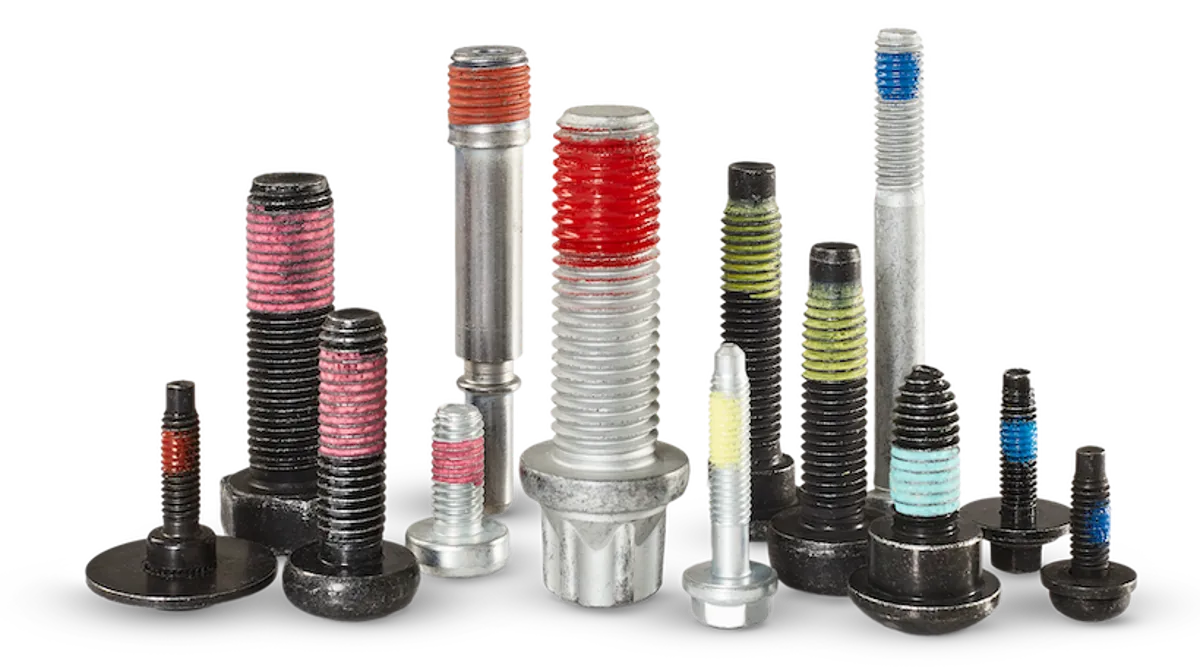
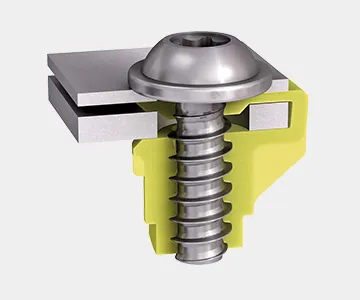
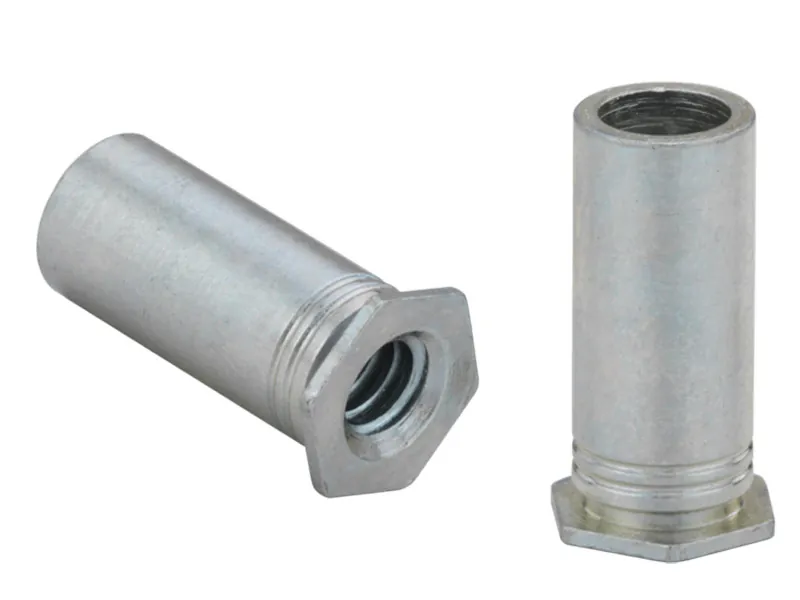
Long-term cooperation with manufacturing bases that have a complete process chain; capacity and delivery are organised according to project requirements.
| Item | Configuration Overview |
|---|---|
| Start of Production | Started production in November 2019; an independently operated fastener manufacturing entity |
| Plant Scale | Approx. 10,000 m², approx. 86 employees |
| Cold Forming Equipment | 18 cold forming machines |
| Thread Rolling Equipment | 20 thread rolling machines |
| Heat Treatment | 2 mesh-belt furnaces, annual capacity approx. 5,000 t |
| Surface Treatment | 3 lines: zinc plating / zinc-iron alloy approx. 3,500 t/y, zinc-nickel approx. 700 t/y, phosphating approx. 1,200 t/y |
| Sorting and Inspection | 6 optical sorters + 1 eddy-current sorter |
| Total Capacity | Designed annual capacity approx. 8,000 t |
| Management System Certification | IATF 16949:2016 · ISO 9001:2015 · ISO 14001:2015 |
| Process Audit | Heat treatment CQI-9 and plating CQI-11 process audits passed multiple times |
Each milestone has clear deliverables and responsibility boundaries, making project progress predictable.
Confirm part type, quantity, operating conditions and quality requirements; drawings are received after the NDA is signed.
Conduct manufacturability review item by item, identify risk points and propose alternatives.
3–5 working daysBased on review conclusions, issue process plan, price and lead time, including tooling cost notes.
Sample trial production and dimensional and performance validation, supporting preparation of PPAP and other approval documents.
Production and delivery organised by batch, with inspection reports and material certificates; batches are traceable.
Provide drawings and operating condition requirements; DFM review conclusions and optimisation proposals delivered within 3–5 working days.
