Fasteners for domain controllers, sensors, wiring harness fixing and in-vehicle electronic modules are increasingly miniature, with high requirements for thread accuracy, assembly automation and cleanliness.
Areas differ significantly in load mode, operating environment and failure consequences, so selection and process priorities also differ.
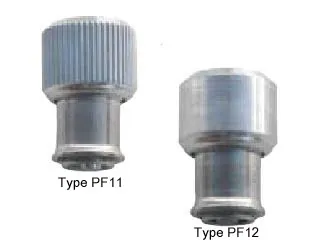
Grouped by joint type, each with a corresponding forming and surface treatment process route.
Used for module fixing, housing joints and terminal fastening; thread accuracy and breaking torque are key control items.
Used for sheet-metal fixing points, forming internal threads or support height in the panel; suited to automated fastening.
Used for quick panel access and board support, balancing installation height consistency with repeated assembly capability.
The following are fastener types commonly used in this area, indicating the applicable product directions; for specific specifications and drawings, please submit them and an engineer will follow up.
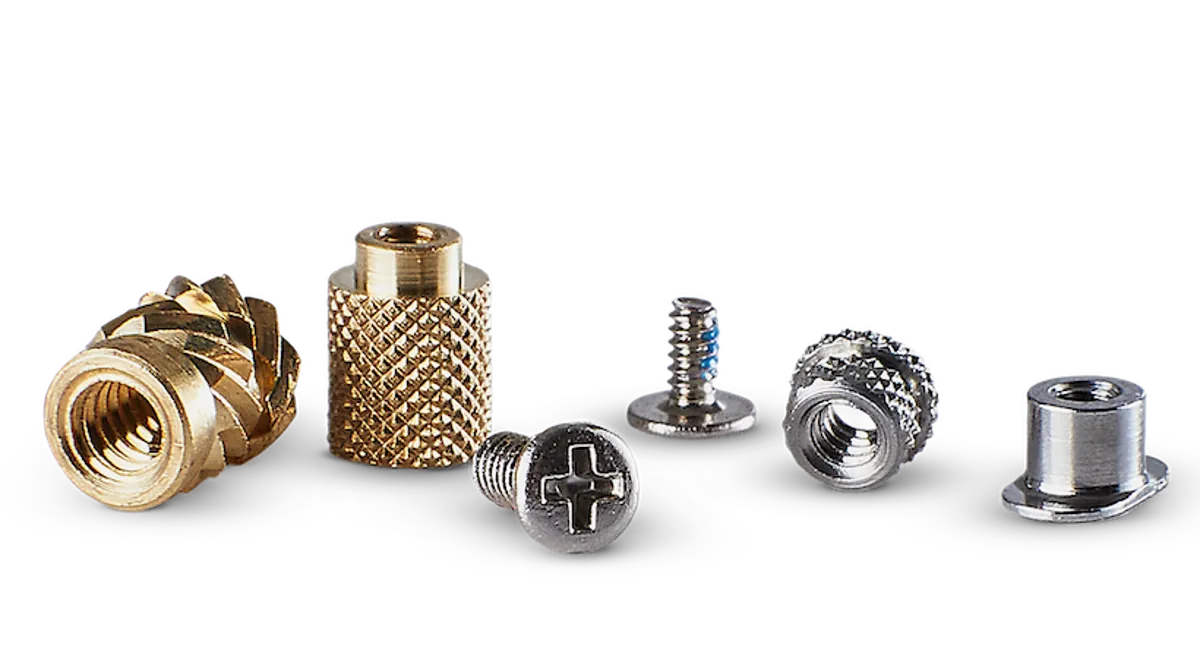
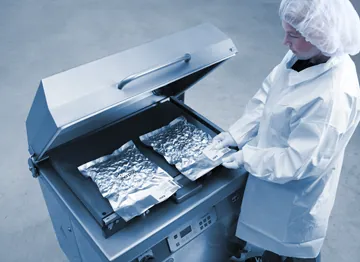
For an initial assessment of whether a requirement falls within the manufacturable range; specific solutions are subject to the drawing review conclusions.
| Item | Range and Notes |
|---|---|
| Common Sizes | M2 – M5; smaller sizes can be covered to drawing |
| Thread Tolerance | Tolerance band determined by assembly method; automated fastening requires control of the thread start chamfer |
| Sheet Thickness Suitability | Self-clinching parts typically suit 0.5 – 3.0 mm sheet metal |
| Surface Treatment | Zinc, zinc-nickel or tin plating, selected to welding and conductivity requirements |
| Appearance and Cleanliness | Control of burrs, debris and oil residue |
| Packaging Format | Available in tape, tray or fixed-quantity packaging for automated assembly |
The following are the more common failure sources for this part category; they are identified and addressed before tooling.
Automated fastening is sensitive to the thread start chamfer and burrs; burrs cause engagement failure or thread damage.
Miniature screws have a narrow tightening window; tool and torque settings must be matched to avoid head shear or thread stripping.
Out-of-tolerance panel flatness after clinching affects assembly fit and heat dissipation; clinching depth and tooling must be controlled.
Flange bolts, bolts with captive washers, self-locking nuts, self-clinching fasteners and thread-forming screws.
Class 10.9 high-strength bolts, thread-forming screws, sealing plugs.
Self-tapping screws for plastics, headlamp adjustment mechanism parts, miniature fasteners.
Self-clinching studs and standoffs, anti-loosening pre-applied adhesive bolts, sealing plugs and earth studs.
Provide drawings and operating condition requirements; DFM review conclusions and optimisation proposals delivered within 3–5 working days.
