Battery pack enclosures, modules, electric drive and high-voltage joints face simultaneous requirements for vibration, sealing, electrical insulation and cleanliness — a key focus of fastening solutions for new energy vehicles.
Areas differ significantly in load mode, operating environment and failure consequences, so selection and process priorities also differ.
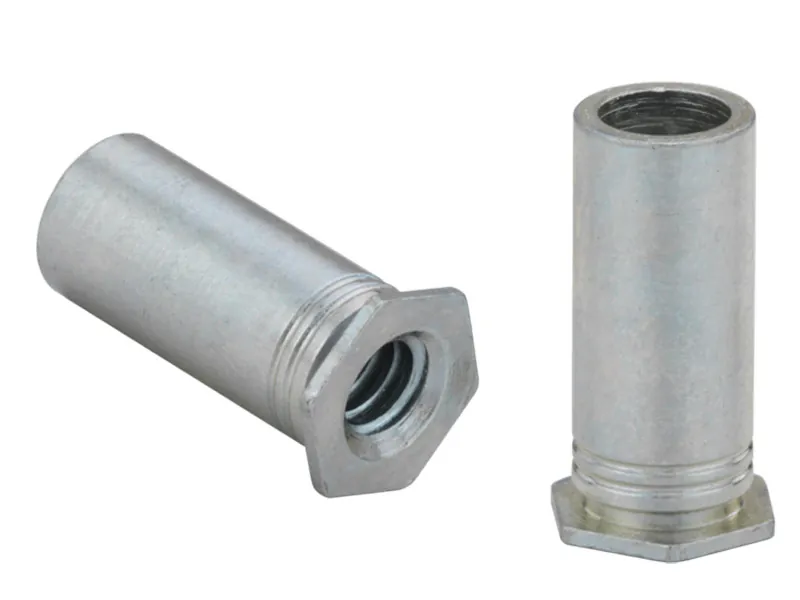
Grouped by joint type, each with a corresponding forming and surface treatment process route.
Used for enclosure and sheet-metal fixing points, forming internal threads or support structures in the panel; suited to high-volume assembly and automated fastening.
Used for module and structural joints, maintaining clamping force under vibration to avoid contact resistance changes caused by loosening.
Used for enclosure sealing, equipotential earthing and panel fixing, balancing seal face integrity with conductive performance.
The following are fastener types commonly used in this area, indicating the applicable product directions; for specific specifications and drawings, please submit them and an engineer will follow up.
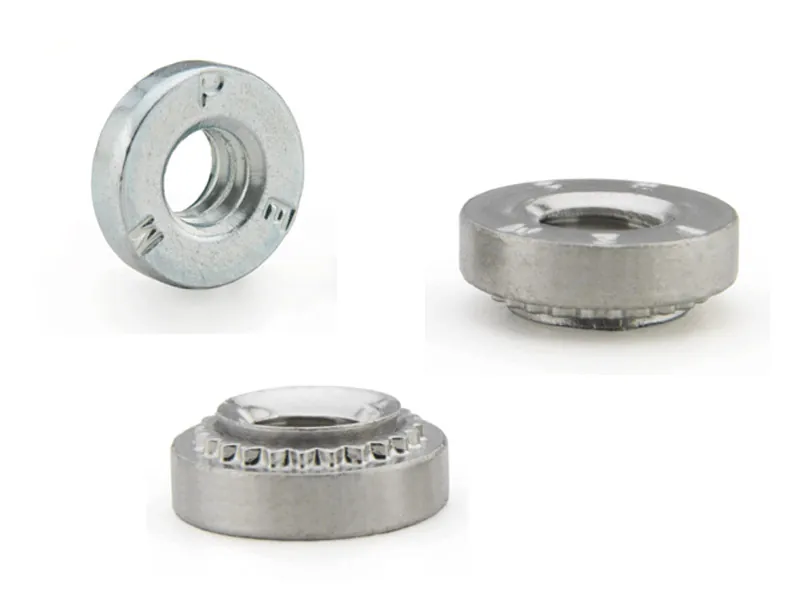
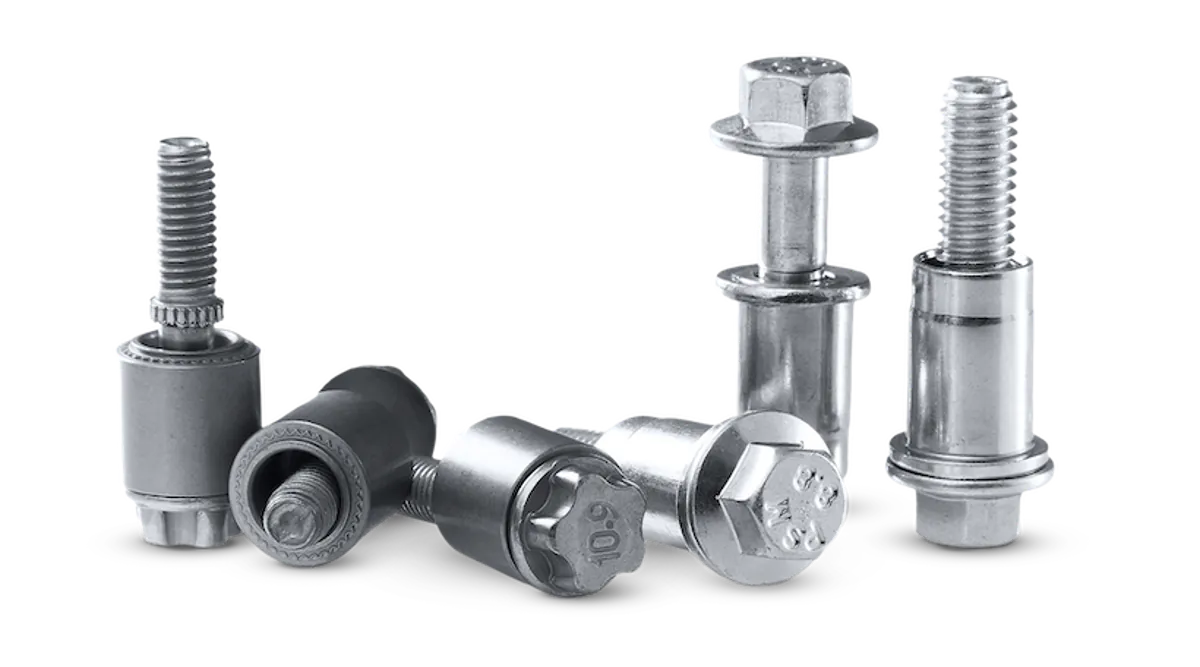
For an initial assessment of whether a requirement falls within the manufacturable range; specific solutions are subject to the drawing review conclusions.
| Item | Range and Notes |
|---|---|
| Common Sizes | Mainly M4 – M12; sheet-metal self-clinching types selected by sheet thickness |
| Anti-Loosening Method | Pre-applied adhesive or self-locking design, selected to assembly cycles and vibration conditions |
| Coating Selection | Zinc-nickel, chromium-free passivation or insulating coating, determined by the electrical environment |
| Sheet Thickness Suitability | Self-clinching parts typically suit 0.8 – 4.0 mm sheet thickness |
| Cleanliness | Particle residue and coating adhesion controlled to customer requirements |
| Delivery Support | Self-clinching parameter recommendations and installation validation support available |
The following are the more common failure sources for this part category; they are identified and addressed before tooling.
Increasing torque alone does not solve vibration loosening; designs must combine pre-applied adhesive or self-locking features.
Poor coating adhesion generates metal debris, a risk item for battery packs; pre-treatment and coating bond strength must be controlled.
Contact between aluminium alloy enclosures and steel fasteners requires consideration of galvanic corrosion and the thread load-bearing capacity of aluminium alloy.
Flange bolts, bolts with captive washers, self-locking nuts, self-clinching fasteners and thread-forming screws.
Class 10.9 high-strength bolts, thread-forming screws, sealing plugs.
Self-tapping screws for plastics, headlamp adjustment mechanism parts, miniature fasteners.
Precision miniature screws, sheet-metal self-clinching nuts and standoffs, panel fasteners.
Provide drawings and operating condition requirements; DFM review conclusions and optimisation proposals delivered within 3–5 working days.
