Internal joints in engines, transmissions and electric drive units operate at high temperatures under sustained load, making them among the most demanding areas in the vehicle for strength and reliability.
Areas differ significantly in load mode, operating environment and failure consequences, so selection and process priorities also differ.
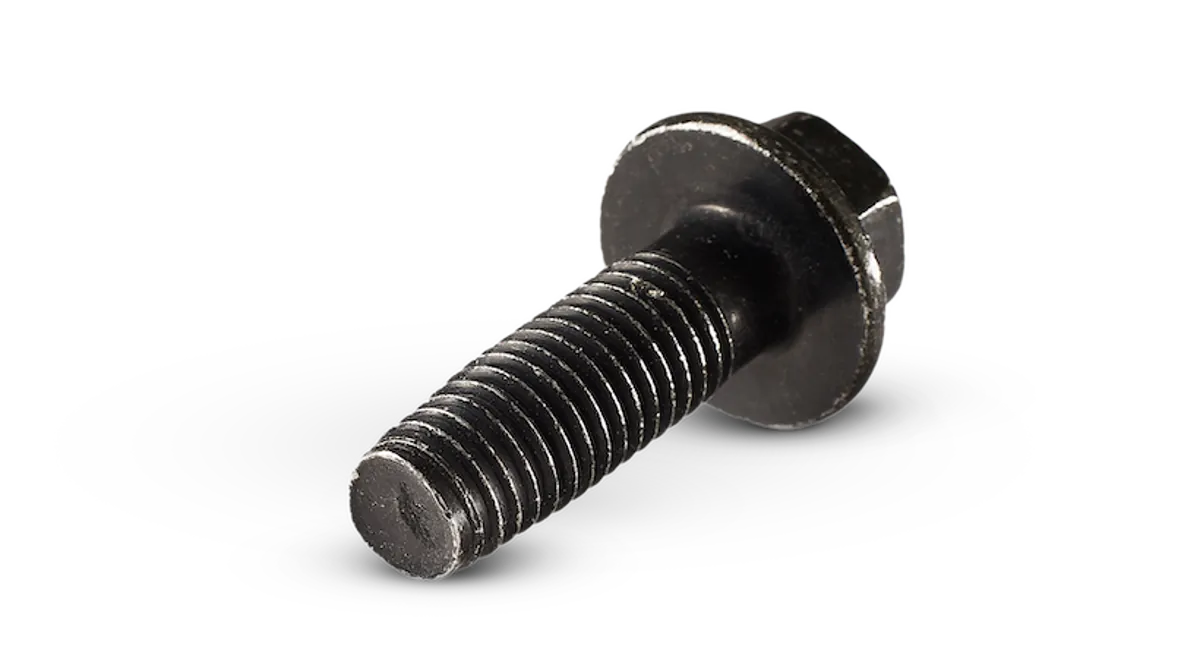
Grouped by joint type, each with a corresponding forming and surface treatment process route.
Used for cylinder head, connecting rod, housing and assembly joints, requiring a balance between strength and toughness while controlling hydrogen embrittlement risk.
Internal threads are formed by cold flow during assembly, eliminating tapping; thread load-bearing is more complete and the design suits automated assembly.
Used for oil gallery sealing, seal face compression and component location; sensitive to seal face integrity and assembly torque.
The following are fastener types commonly used in this area, indicating the applicable product directions; for specific specifications and drawings, please submit them and an engineer will follow up.
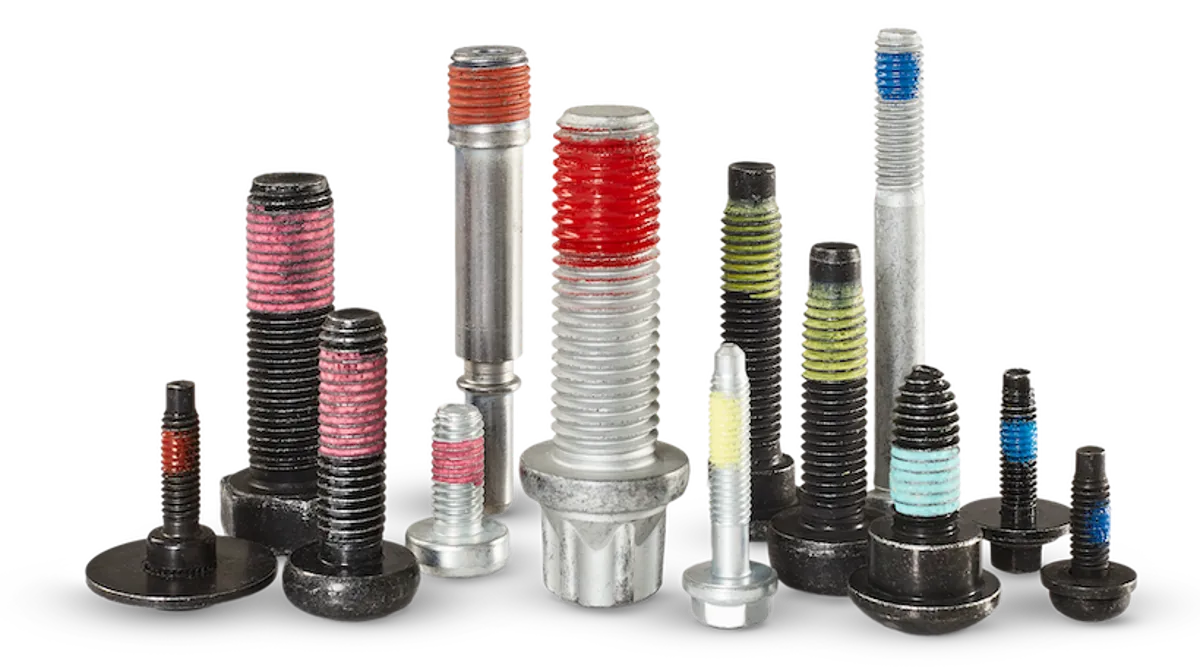
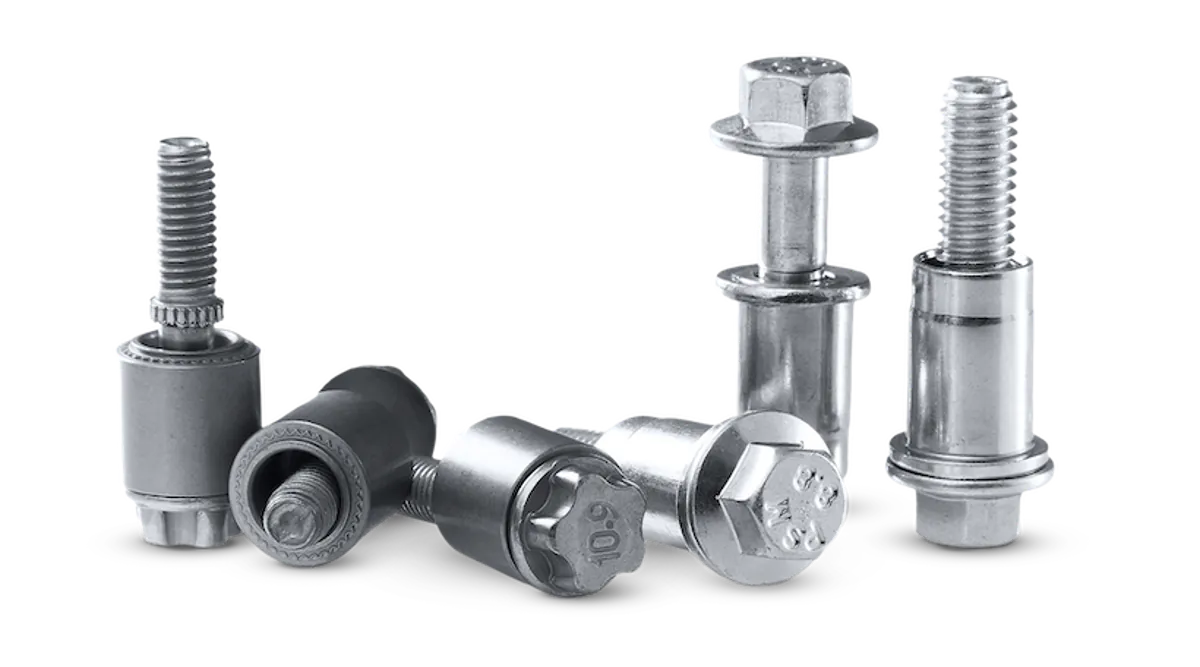
For an initial assessment of whether a requirement falls within the manufacturable range; specific solutions are subject to the drawing review conclusions.
| Item | Range and Notes |
|---|---|
| Property Class | Commonly class 10.9; class 8.8 and stainless steel series available to design requirements |
| Heat Treatment | Mesh-belt furnace quenching and tempering; hardness and mechanical properties sampled per batch |
| Hydrogen Embrittlement Control | De-embrittlement process for high-strength parts, with the bake window set according to coating type |
| Thread Accuracy | Commonly 6g tolerance band, adjustable to drawing requirements |
| Cleanliness | Surface residue and metallic particles controlled to customer requirements |
| Traceability Requirements | Material, heat treatment and surface treatment parameters recorded by batch |
The following are the more common failure sources for this part category; they are identified and addressed before tooling.
High-strength parts carry hydrogen embrittlement risk after pickling and plating; a de-embrittlement window must be set and delayed fracture validated.
Pilot hole size deviation leads to excessive drive torque or insufficient thread forming; it must be verified against material and thread pitch.
High-strength parts are torque-sensitive; the tightening strategy must be defined to avoid over-torque into yield.
Flange bolts, bolts with captive washers, self-locking nuts, self-clinching fasteners and thread-forming screws.
Self-tapping screws for plastics, headlamp adjustment mechanism parts, miniature fasteners.
Self-clinching studs and standoffs, anti-loosening pre-applied adhesive bolts, sealing plugs and earth studs.
Precision miniature screws, sheet-metal self-clinching nuts and standoffs, panel fasteners.
Provide drawings and operating condition requirements; DFM review conclusions and optimisation proposals delivered within 3–5 working days.
